Up to 15% Off RayNeo AI Glasses (Ends Nov 1): iO vs X3 Pro, What the AI Does and What You Pay
Affiliate disclosure: DailyAIPedia is a RayNeo partner. RayNeo links on this page are our affiliate links, so we may earn a commission if you buy, at no extra.

Affiliate disclosure: DailyAIPedia is a RayNeo partner. RayNeo links on this page are our affiliate links, so we may earn a commission if you buy, at no extra cost to you. RayNeo did not review or approve this article. It is not a hands-on test yet: specs and prices were read off RayNeo’s own product pages on 28 October 2026, and we say clearly where we rely on an outside review. Product images are RayNeo’s.
Smart glasses have quietly turned into AI glasses: frames that listen when you say a wake word, show the answer in front of your eyes, translate the person you are talking to and take your meeting notes. RayNeo is one of the bigger names here, and its store sells two quite different kinds of glasses. This guide sorts out which RayNeo glasses actually have AI, what the AI does, and what you pay.
The short version
AI glasses: only two RayNeo models, the iO and the X3 Pro. The Air and GT models are video display glasses.
RayNeo iO, $499: 33 grams, no camera, green heads-up display, free Gemini. Built for translation, captions, a teleprompter and meeting notes.
RayNeo X3 Pro, $1,299: full-colour AR, 12MP camera, navigation and Gemini Live. Impressive but early, with short battery life in real use.
Our pick for most people: the iO, because it is light, camera-free and focused on what AI does well today.
Which RayNeo glasses have AI?
RayNeo’s store mixes two product families, and it is easy to buy the wrong one.
- AI glasses: the RayNeo iO and the RayNeo X3 Pro. They run an AI assistant you talk to (“Hey, RayNeo”), show answers and translations in your view, and pair with your phone.
- Display (AR) glasses: the Air 3s, Air 4 Pro, GT and GT Max, from $269 to $429. These are wearable screens that you plug into a phone, laptop or console to watch a big virtual display. They do not include an AI assistant.

If you came here for AI features, the rest of this guide is about the iO and the X3 Pro.
RayNeo iO: everyday AI glasses ($499)
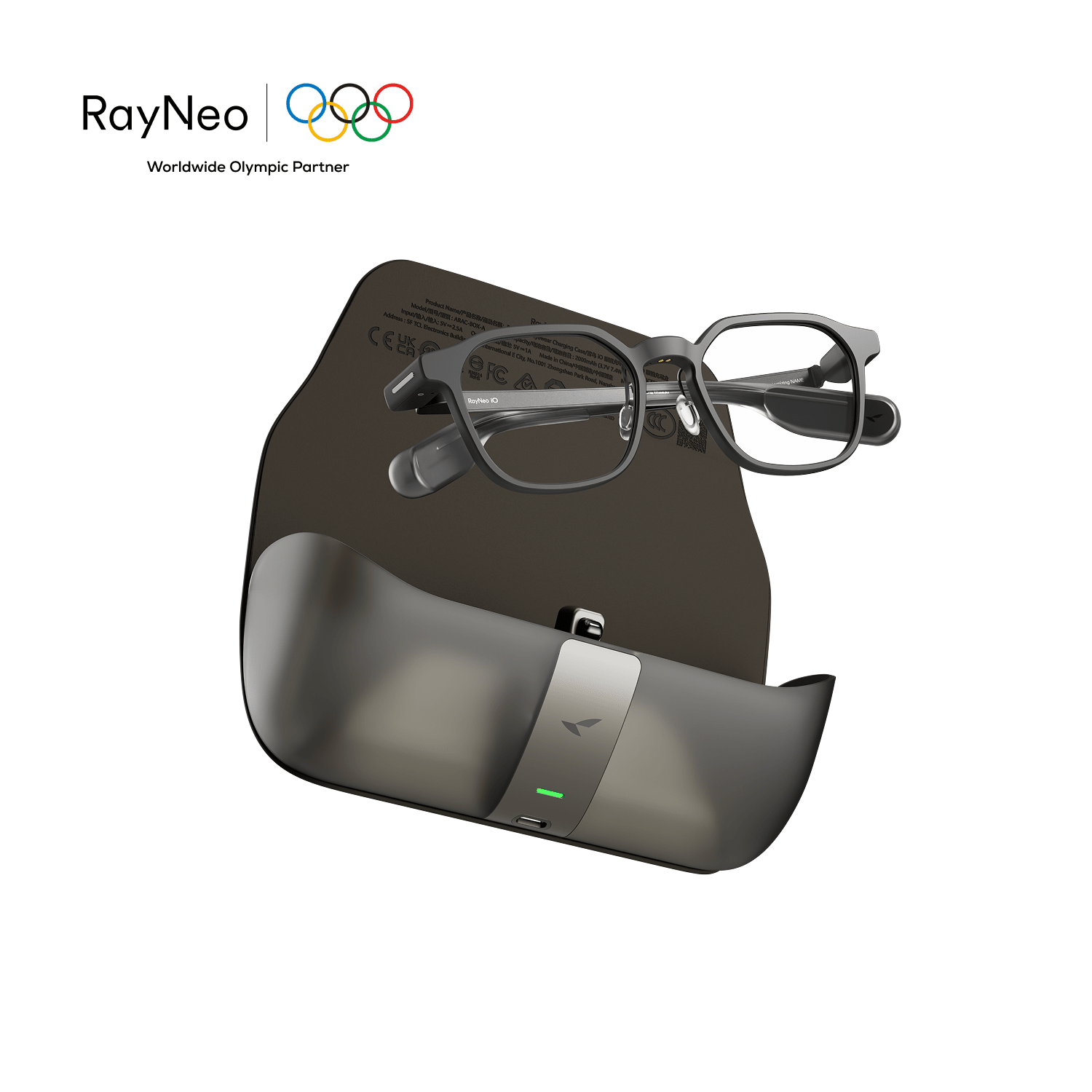
The RayNeo iO is RayNeo’s answer to “smart glasses you could wear all day”. RayNeo lists it at 33 grams, with a magnesium-aluminium frame and titanium arms, and it has no camera at all, which RayNeo presents as a privacy feature.
What the AI does, according to RayNeo:
- Live captions and translation in 55 languages, shown on the lens.
- An invisible teleprompter that scrolls with your voice as you speak.
- One-tap recording with AI meeting notes, plus a “Lifelog” mode that records audio through the day and turns it into a journal and action items.
- A heads-up dashboard for your schedule, weather and notifications.
- Choice of AI assistant: RayNeo’s own assistant and Google Gemini (RayNeo names Gemini 3.1 Flash Lite) are free. Other models, such as ChatGPT, DeepSeek, Kimi and Qwen, need a VIP plan at US$9.99 a month.
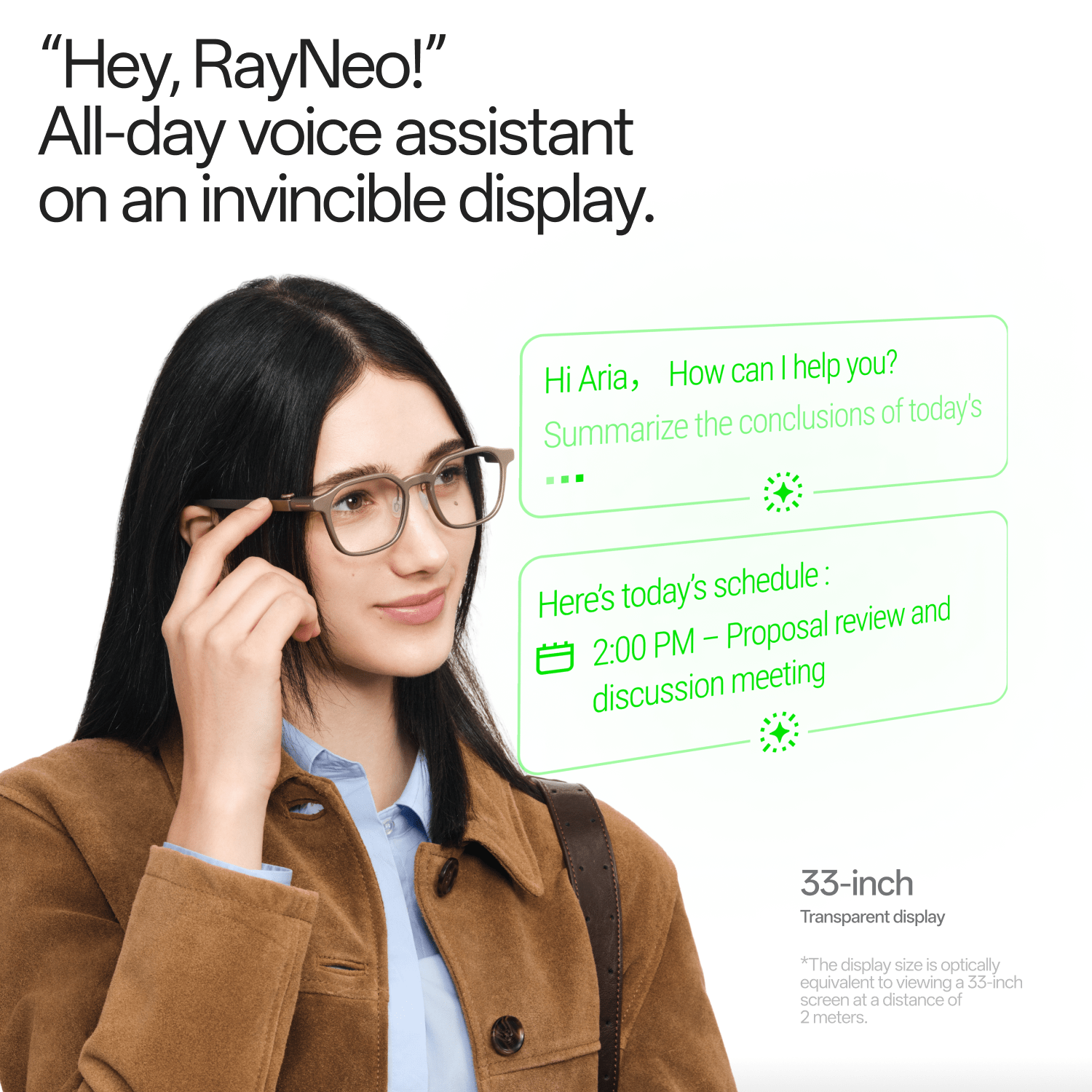





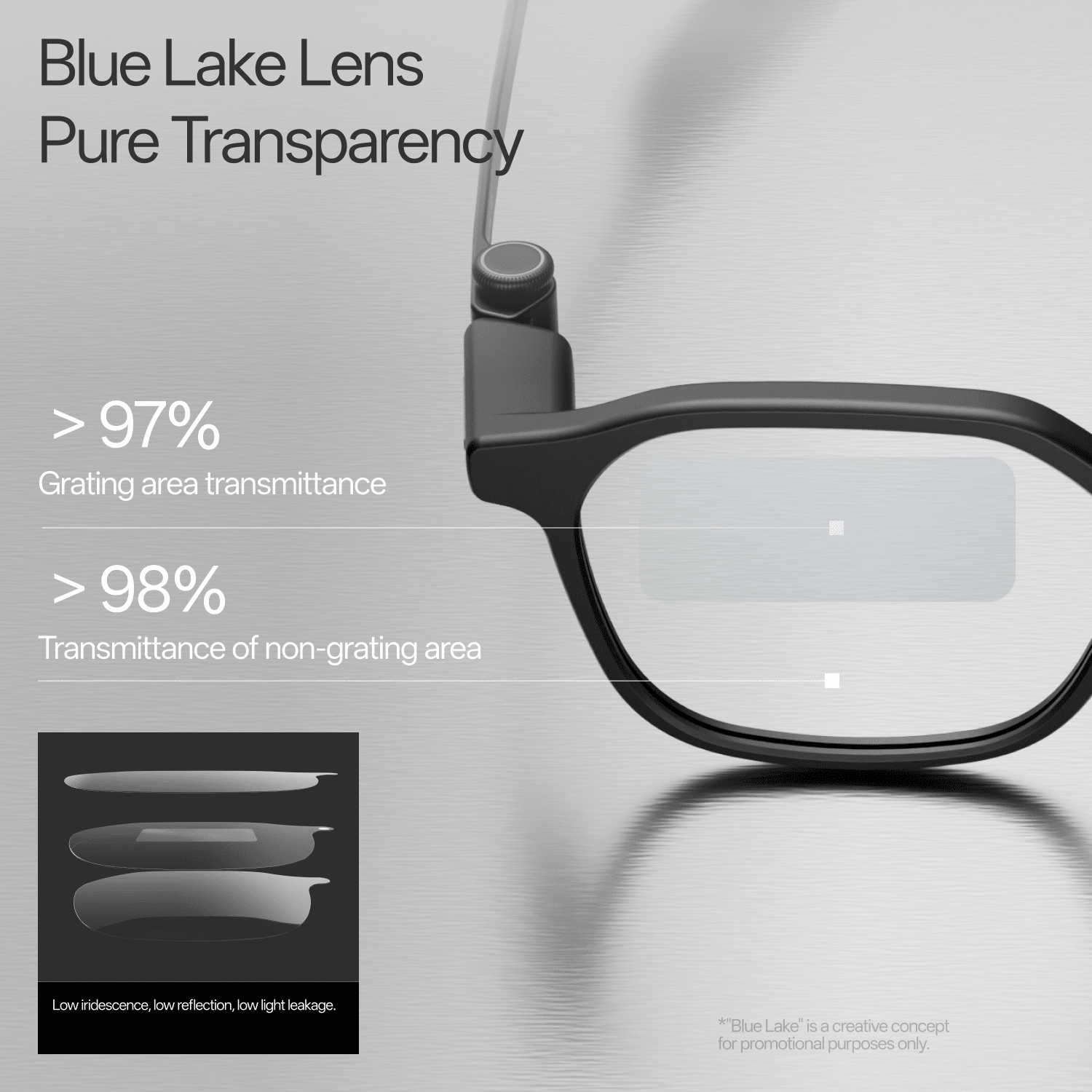
The display is a binocular green MicroLED (monochrome, not colour) on a waveguide lens with a 23.5° field of view, which RayNeo compares to a 33-inch screen at two metres. RayNeo says the lens is 97% transparent when the display is on, so people around you should not see your notes. It claims up to two days of typical use from the 240mAh battery, 18 hours of continuous recording and about 6 hours of continuous translation, and the frame is rated IP54 for dust and splashes.



See the RayNeo iO on RayNeo.com
RayNeo X3 Pro: AI plus full-colour AR ($1,299)
The RayNeo X3 Pro is a different class of device: a standalone computer in a glasses frame. RayNeo lists a Snapdragon AR1 chip, 4GB of RAM, 32GB of storage, a 12MP Sony camera that records up to 4K, and a full-colour MicroLED display rated at 6,000 nits peak, bright enough to read in daylight.
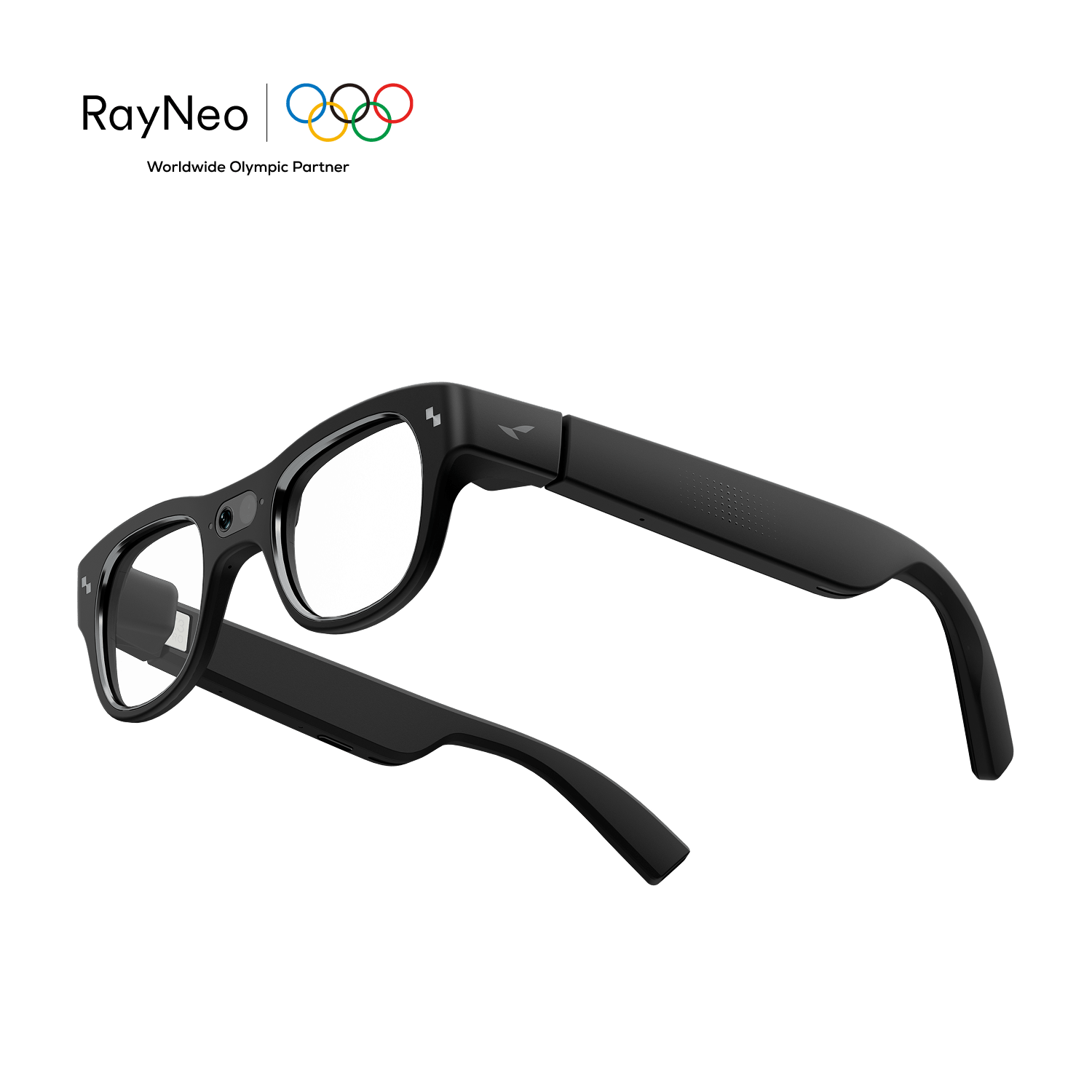
Its AI features, according to RayNeo, include Gemini Live, real-time translation in 14 languages with on-screen text and audio, heads-up turn-by-turn navigation with nearby places, an AI secretary for to-dos, meeting notes and transcription, and a built-in teleprompter. It runs RayNeo AIOS, weighs about 76 grams and charges fully in 38 minutes.




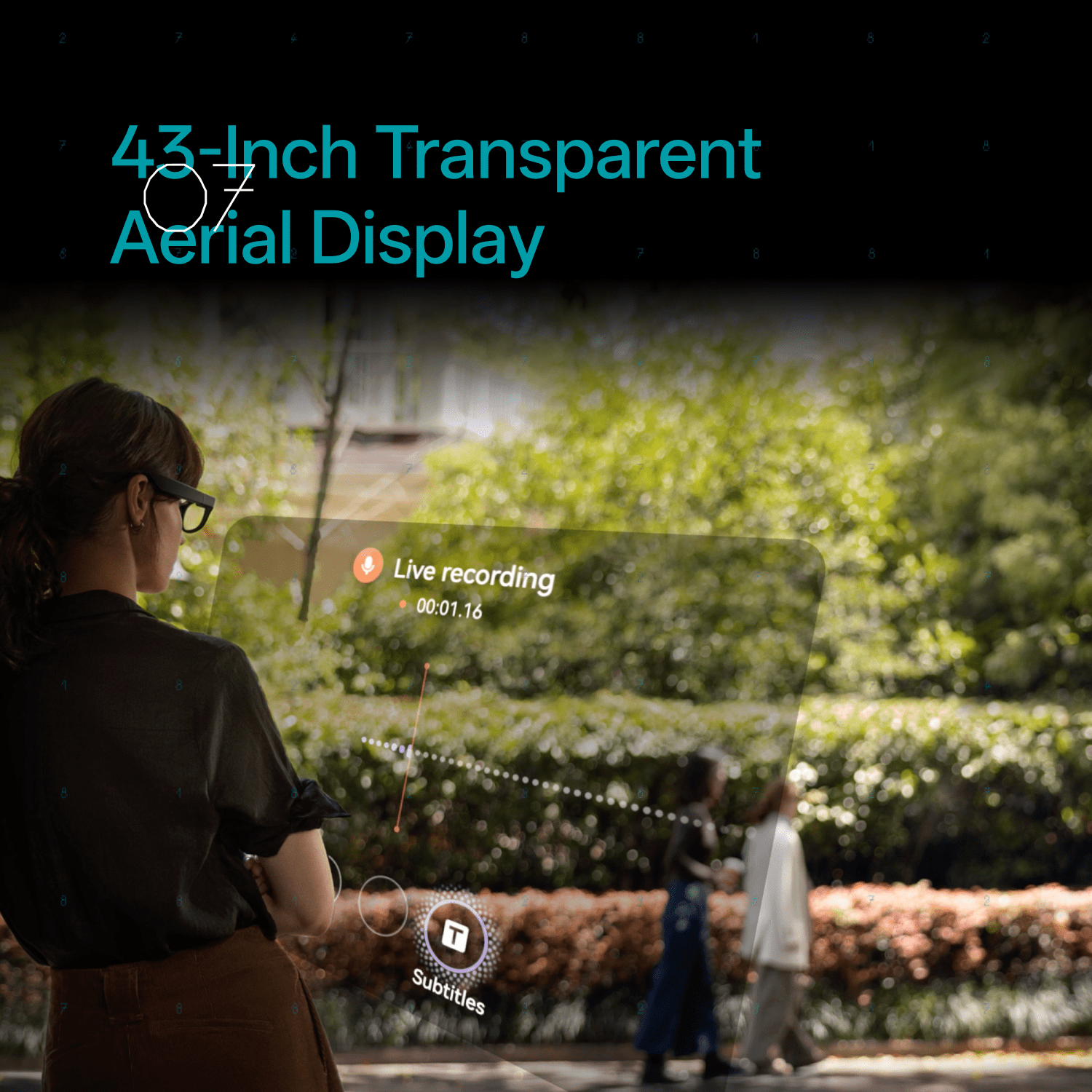

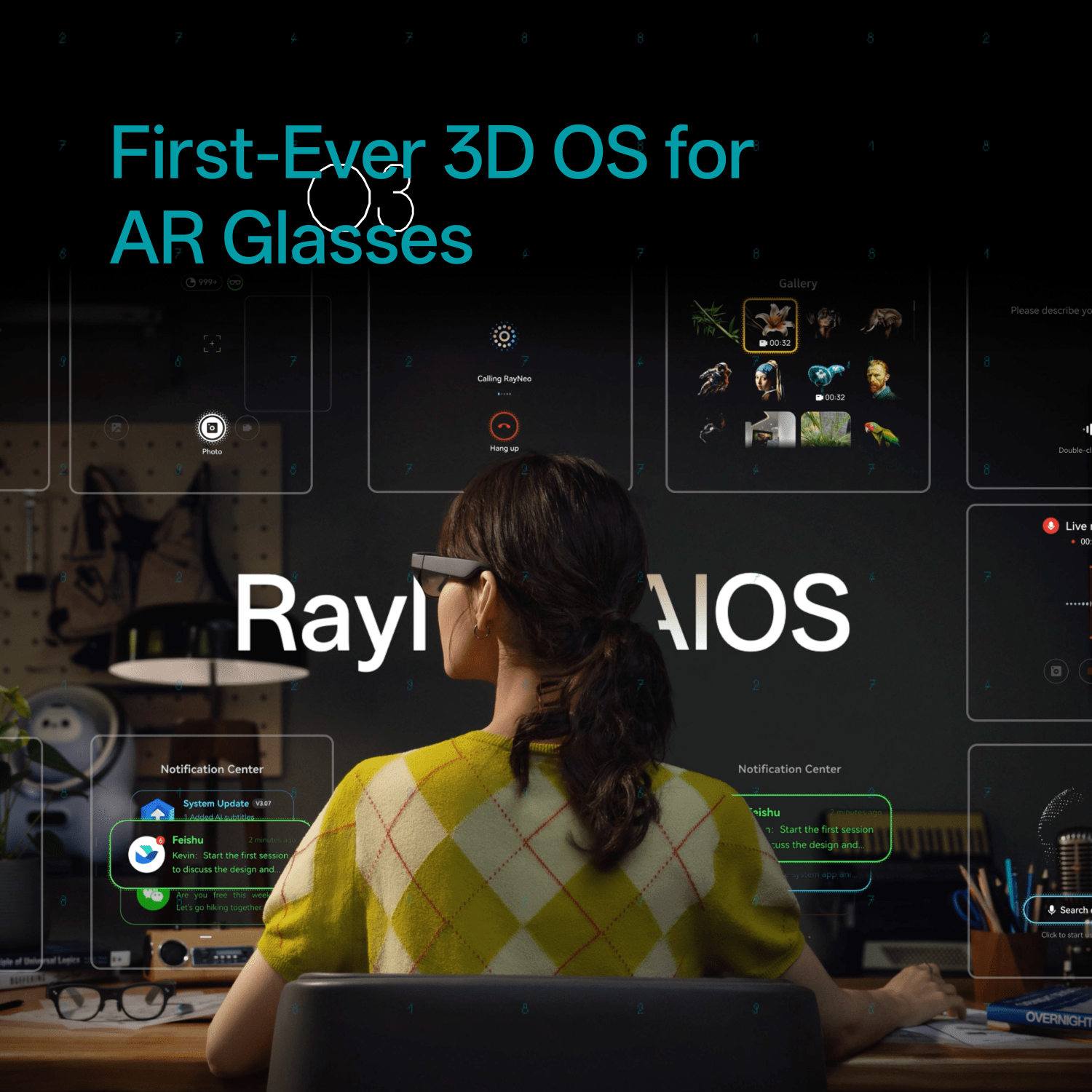
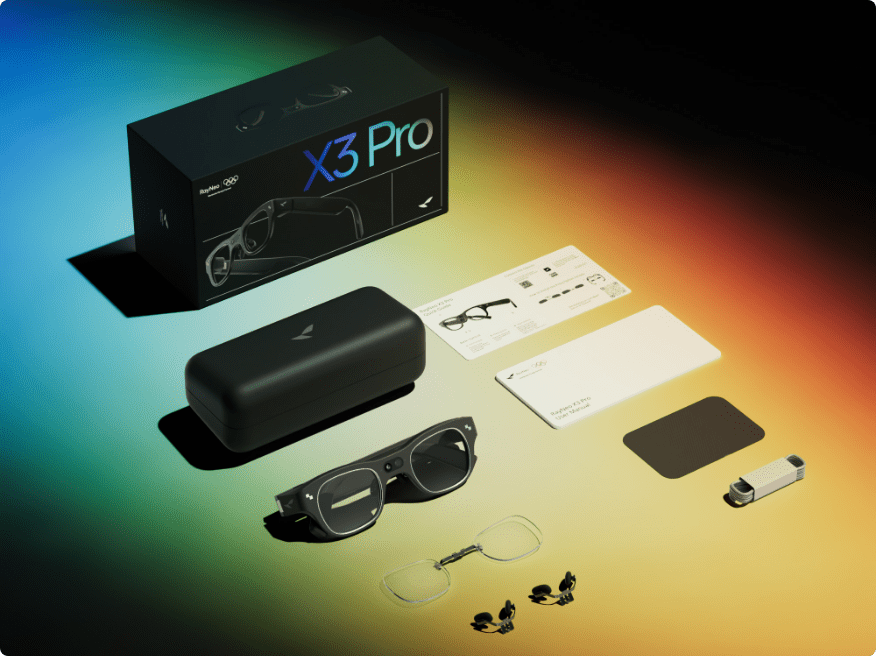
TechRadar’s review (3.5 out of 5) is a useful reality check. It praised the bright display and the translation, which it found had roughly a two-second delay, but found the touch controls unreliable. In its testing, battery life was about 3 to 5 hours of light use, dropping to 1 to 2 hours with navigation, translation or video recording. Its verdict: technically impressive, not yet easy to use.
iO vs X3 Pro at a glance
| RayNeo iO | RayNeo X3 Pro | |
|---|---|---|
| Price (RayNeo US store) | $499 ($549 with charging case) | $1,299 |
| Display | Green monochrome MicroLED, 23.5° | Full-colour MicroLED, 30°, up to 6,000 nits |
| Camera | None | 12MP, video up to 4K |
| AI assistant | RayNeo AI and Gemini free; other models $9.99/month | Gemini Live |
| Translation | 55 languages (captions) | 14 languages (text and audio) |
| Weight | 33 g | about 76 g |
| Battery (RayNeo’s figures) | Up to 2 days typical use | 245mAh, full charge in 38 min |
| Prescription | Yes, from $658 in total | Inserts via partner Lensology, sold separately |
Prices, offers and buying from RayNeo
All prices are from RayNeo’s US store on 28 October 2026:
- RayNeo iO Smart Glasses: $499, or $549 bundled with the charging case.
- RayNeo iO with prescription lenses: from $658 (RayNeo says this version is HSA/FSA eligible).
- RayNeo X3 Pro AI+AR Glasses: $1,299.
- For comparison, the display-only glasses run from $269 (Air 3s) to $429 (GT Max).
RayNeo’s store is advertising a Halloween sale of “up to 15% off” until 1 November, so check the final price at checkout. RayNeo also lists free shipping, 30-day free returns, 30-day price protection (it refunds the difference if the price drops within 30 days) and a one-year warranty.
Who should buy which
- Choose the iO if you want glasses you can wear all day for translation, captions, speaking notes or meeting summaries, and you prefer not to have a camera on your face.
- Choose the X3 Pro if you want the most capable AI glasses RayNeo makes, with colour AR, a camera and navigation, and you accept short battery life and a high price on an early product.
- Choose an Air or GT model if what you really want is a giant private screen for films and games. They cost less, but they are not AI glasses.
What we could not verify
Open questions, stated plainly
Hands-on use. We have not worn either pair yet. Battery, translation quality and comfort claims are RayNeo’s, except where we cite TechRadar.
Phone support. RayNeo’s iO page does not say which phone operating systems the companion app supports, so check the app listing before you buy.
Sale pricing. The Halloween discount is described as “up to 15%”, and RayNeo does not list which models get the full amount.
Verdict
For most people curious about AI glasses, the RayNeo iO is the sensible place to start: light, camera-free, with free Gemini, and focused on what AI does well today, like captions, translation and notes. The X3 Pro is an impressive look at where AR is heading, but at $1,299 with short real-world battery life, it suits enthusiasts and developers more than everyday buyers. We plan to test RayNeo’s AI glasses hands-on and will update this guide with a dated note when we do.
Specs and prices were read off rayneo.com on 28 October 2026. RayNeo links are affiliate links. If prices change materially, this post gets a dated update box rather than a silent edit.
FAQ
Are RayNeo glasses AI glasses?
Only some. The RayNeo iO and X3 Pro have built-in AI assistants. The Air and GT series are display glasses for watching video and gaming, without an AI assistant.
Do RayNeo iO glasses need a subscription?
No. RayNeo says its own assistant and Google Gemini are free on the iO. An optional VIP plan at US$9.99 a month unlocks other AI models such as ChatGPT, DeepSeek, Kimi and Qwen.
Does the RayNeo iO have a camera?
No. RayNeo designed the iO without a camera, which it presents as a privacy feature. The X3 Pro has a 12MP camera that records video up to 4K.
How much do RayNeo AI glasses cost?
On RayNeo’s US store on 28 October 2026, the iO costs $499 ($549 with the charging case) and the X3 Pro costs $1,299. The iO with prescription lenses starts at $658.
Can I get RayNeo AI glasses with my prescription?
Yes. The iO is sold with prescription lenses from $658, which RayNeo says is HSA/FSA eligible. The X3 Pro supports prescription inserts through RayNeo’s partner Lensology, sold separately.